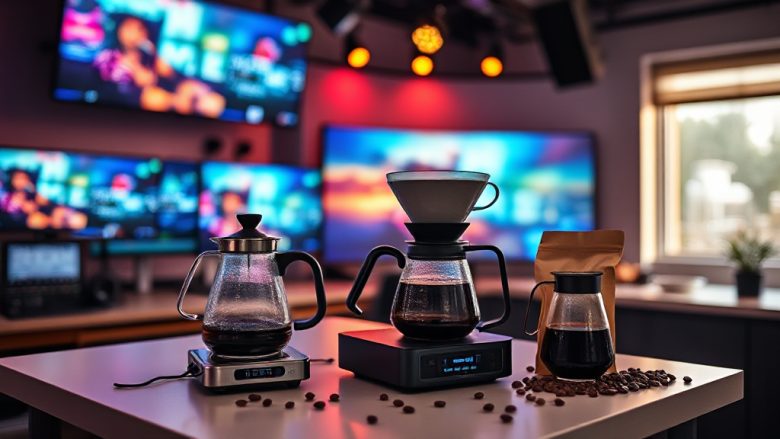
Most coffee brewing trends to watch in 2026 lists are recycled 2023 content with a new date slapped on top. Cold brew, pour-over, and single-dose pods have been “the next big thing” for five consecutive years. That’s not a trend, that’s a permanent fixture. So how do you tell which shifts will actually reach your kitchen counter and which ones will quietly die in a trade show booth? You look at what’s changed in the equipment itself, in the price of beans, and in how people actually behave at 6am. That’s what this watchlist does. Each entry gets a plain verdict, not a sales pitch.
The short version: a few of these trends are genuinely useful, a couple are overpriced theatre, and one or two are worth ignoring entirely. Coffee brewing trends to watch in 2026 are mostly about convenience meeting quality control. Let’s separate the two.
1. Precision Temperature Control Goes Mainstream
What it is: Kettles and brewers that hold water within a degree or two of a target temperature, usually between 90°C and 96°C, rather than dumping boiling water on your grounds and hoping for the best.
Who it’s for: Anyone brewing light-roasted single origins. Those beans are dense and stubborn. Water at 98°C scorches the delicate floral notes, while water at 88°C under-extracts and leaves you with sour, hollow coffee. A variable-temperature kettle fixes the most common home brewing mistake in one purchase.
Verdict: Genuinely worth it. This isn’t new technology, but the price has dropped enough that a decent temperature-controlled gooseneck now costs less than a mid-range grinder. If you’re still boiling a stovetop kettle and pouring straight into a V60, this is the single upgrade that will change your cup the most in 2026. Skip the ones with app connectivity. You don’t need your kettle on WiFi.
2. The Return of the Simple Drip Machine
What it is: A quiet counter-movement against the gadget arms race. A handful of manufacturers are releasing drip machines that do one thing well: heat water to the right temperature, distribute it evenly over the bed of coffee, and finish in under six minutes. No touchscreens, no cloud sync, no subscription pods.
Who it’s for: Households where someone wants coffee before they’re capable of operating a scale. Also anyone who got tired of the pour-over ritual and just wants a reliable 500ml batch on a weekday morning.
Verdict: Worth watching, but read the specs carefully. The good ones carry a certification that guarantees brew temperature and contact time. The bad ones are the same cheap machines from a decade ago with a matte finish and a higher price. If a drip machine doesn’t publish its brew temperature, assume it’s wrong. This trend is real, but it’s also where marketing noise is thickest.
3. Single-Dose Grinding and Zero-Retention Design
What it is: Grinders built to hold almost no coffee in the chute, so what you weigh in is what you get out. No stale grounds from yesterday sitting in the burr chamber, no purging a few grams every morning to clear old coffee.
Who it’s for: Anyone who switches beans often or brews small amounts. If you grind 18g for a single cup and 3g of that is yesterday’s dark roast, your carefully chosen light roast is being sabotaged.
Verdict: The most genuinely transformative trend on this list. Zero-retention hand grinders have been excellent for years, but the electric options finally caught up in the last two cycles, and prices are starting to make sense. If you drink one or two cups a day, this matters more than the brewer you use. If you brew a full pot every morning with the same beans, it matters far less. Buy accordingly.
4. Concentrated Brewing and the Dilution Mindset
What it is: Brewing a small, intense amount of coffee and then adding hot water to taste, rather than brewing a full volume at drinking strength. It’s the logic behind Americanos, and it’s creeping into home brewing as a deliberate method rather than a compromise.
Who it’s for: People who want flexibility. Brew one strong base, then serve it as a small punchy cup, a longer morning mug, or an iced drink over the same base. It also suits households where two people want different strengths from one brew.
Verdict: Useful technique, overhyped as a trend. It’s a method, not a product, so nobody’s selling you anything, which is exactly why it’s less noisy. Worth adopting if you brew for more than one person or drink both hot and iced coffee. Not worth restructuring your whole routine around. Taste it, adjust, move on.
5. Water Chemistry Moves from Niche to Normal
What it is: Treating water as an ingredient rather than a given. Adding specific minerals to distilled or low-mineral water to hit a target profile, usually a bit of magnesium and a touch of buffer to control acidity.
Who it’s for: Anyone whose tap water tastes of chlorine, chalk, or nothing at all. If your coffee tastes flat no matter what you change, water is the variable you haven’t touched.
Verdict: Legitimate, and cheaper than most people assume. You don’t need lab equipment. A packet of mineral salts and a jug of distilled water will get you most of the way for pennies per litre. The overblown part is the marketing around ready-made brewing water. It works, but so does the DIY version. Try it once with a coffee you know well. If the cup doesn’t improve, your tap water was fine all along.
6. Smart Scales and Brew Logging: Helpful or Noise?
What it is: Scales that connect to an app, log your brew ratios, and sometimes guide you through a pour schedule with beeps and timers.
Who it’s for: Beginners who want a repeatable starting point, and tinkerers who genuinely enjoy data. If you like comparing two grind settings across a week of brews, logging helps.
Verdict: Mostly noise, with a caveat. A basic scale with a timer does 95% of what the smart ones do for a fraction of the price. The app ecosystem is where these products justify their markup, and most people stop opening the app after two weeks. Buy a scale with fast response and 0.1g resolution. Ignore the Bluetooth. The one exception is if you’re actively learning and want guided pours. Even then, a paper notebook works.
7. Cold Coffee, Year-Round and Unfussy
What it is: Cold brew and iced coffee treated as everyday drinks rather than summer specials. The shift is less about new equipment and more about people refusing to give up cold coffee when the weather turns.
Who it’s for: Anyone with a fridge and a jar. Cold brew is forgiving, cheap, and hard to ruin. You can make it with a bag of grounds and a container.
Verdict: Real trend, low stakes. The equipment marketed for it, however, is where things get silly. You do not need a dedicated cold brew tower. A large jar, a filter, and patience cover it. The genuine shift worth noting is that roasters are now selling blends specifically built to taste good over ice, which is a real improvement over using whatever was in the cupboard. Buy the coffee, skip the gadget.
What to Ignore in 2026
Some things on trend lists are there because they’re easy to photograph, not because they improve coffee. Here’s what to walk past.
Pods with a premium price tag and a sustainability story. The coffee inside is rarely better than what you’d grind yourself, and the recycling claims are usually more complicated than the packaging suggests. Also ignore any brewer that requires a proprietary filter shape you can only buy from one place. That’s a subscription in disguise. And be wary of AI-assisted brewing apps that claim to learn your taste. They mostly learn your patience for notifications.
The pattern to remember: a trend worth your money changes what’s in the cup. A trend worth ignoring changes what’s on the box. Temperature control, zero-retention grinding, and better water all pass the first test. Most everything else is packaging.
FAQ
Is precision temperature control actually worth it for a beginner?
Yes, more than almost any other upgrade. It’s the difference between sour and balanced coffee on light roasts, and it removes a variable you’d otherwise be guessing at. You don’t need an expensive model. A simple kettle that holds a set temperature is enough.
Do I need a zero-retention grinder if I only drink one type of coffee?
Not really. Zero retention matters most when you switch beans or brew small doses. If you use the same dark roast every day and brew a full pot, the stale grounds in the chute are a minor issue. Spend the money on better beans instead.
Is mineral water dosing too complicated for home brewing?
It’s simpler than it sounds. Start with distilled water and add a measured amount of mineral salts, or use a pre-mixed concentrate. Once you dial in a ratio you like, it takes seconds per brew. Try it with one coffee you know well before committing.
Will smart scales and brewing apps make my coffee better?
Rarely on their own. A cheap scale with a timer gives you the same control. Apps help if you enjoy tracking variables, but they don’t fix bad beans, stale grounds, or water that tastes off. Fix those first.
Is cold brew equipment worth buying?
Usually not. A jar and a filter do the job. The money is better spent on coffee roasted for cold brewing, which genuinely tastes better over ice than a standard blend. The gadgets are optional.