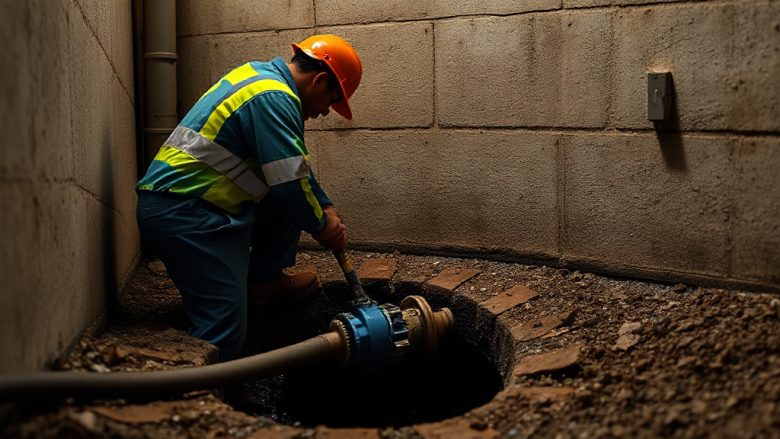
A Blocked Drain in Cangaíba: What to Prepare Before You Call a Desentupidora
If you are dealing with a backed-up sink, a gurgling floor drain or sewage rising in the shower, the first thing to do is stop using water in that area and clear the floor around the affected drain. Before you pick up the phone, have three things ready: the exact address with any access instructions, a short description of what is backing up and when it started, and a decision on who can open the gate or the building entrance. That is enough to get a desentupidora Cangaíba team moving without a second round of phone calls.
This is the question I see most often in neighborhood groups, so here is the practical sequence from the very first action to a working drain again.
What should I have ready before the team arrives?
Preparation is mostly about access and information, not tools. The technician needs to reach the drain, the cleanout or the inspection box without moving furniture or waiting for a neighbor to unlock a shared gate.
- Access: gate code, intercom name, parking instructions and whether the cleanout is inside a garage, backyard or common area.
- Symptoms: which fixtures back up, whether the water drains slowly or not at all, and whether there is a smell, gurgling or overflow.
- History: any recent work on the pipes, a septic tank that has not been pumped, or a recurring problem in the same spot.
- Safety: keep children and pets away from standing water, and do not pour chemicals into a drain that is already blocked.
One detail matters more than people expect: tell the team whether the problem is inside your unit or in a shared line. In Cangaíba, many homes and small commercial buildings share older clay or concrete lines with neighboring lots, and that changes who authorizes the service and how the work is done.
How does a desentupidora in Cangaíba actually clear the line?
The work usually starts with a visual check. The technician looks at the affected fixtures, the cleanout and the inspection box to decide whether the blockage is close to the surface or deeper in the main line. From there, the method depends on what is blocking the pipe.
Manual and mechanical clearing
For grease, soap residue and small objects near the drain, a manual cable or a small motorized auger is often enough. It is fast, low-impact and usually the first attempt on kitchen and bathroom lines.
Hydrojetting for grease and roots
When the pipe is coated with grease or invaded by roots, high-pressure water scours the inside of the pipe rather than just poking a hole through the blockage. This is the step where a desentupidora Cangaíba São Paulo SP team typically uses a truck-mounted or portable jetting unit, and it is also the moment when a camera inspection becomes useful to confirm the pipe is clean and intact.
Septic tank and sump work
If the backup is in a property served by a septic tank, the cause may be a full tank rather than a blocked pipe. Pumping the tank and checking the distribution box is part of the job, and it should be scheduled before the tank overflows into the yard.
How long does it take from call to working drain?
For a simple sink or shower blockage, the on-site work is often under an hour once the technician arrives. Deep main-line blockages, root intrusion or a full septic tank can take longer, and the honest answer is that nobody can promise a fixed time before seeing the line.
What you can control is the delay before the visit. Calling with the address, the symptom and the access details ready shortens the dispatch. If the problem is inside a condominium, tell the síndico or building manager early so the shared cleanout can be opened without a second authorization.
What does a typical emergency visit look like, step by step?
- Call and triage: describe the backup, confirm the address and agree on access.
- Arrival and inspection: the technician checks the fixtures, cleanout and inspection box.
- Method selection: cable, auger or hydrojetting depending on the blockage.
- Clearing and testing: the line is flushed and tested with running water.
- Cleanup and advice: the area is cleaned and you get guidance on preventing a repeat.
The last step is the one people skip. Ask what caused the blockage, because the answer usually points to a habit or a maintenance gap you can fix before it happens again.
What usually causes repeated blockages in this neighborhood?
Most repeat calls come from a small set of causes. Grease and food scraps in kitchen drains, hair and soap in bathroom lines, and sanitary products or wipes flushed down toilets are the everyday culprits. Older properties may also have root intrusion at joints, sagging pipes or tree roots searching for moisture.
There is also a structural issue that shows up in dense urban areas: when several lots share a line, one blockage can affect more than one property. If your drain backs up whenever a neighbor uses water, the problem is likely in the shared section, and the fix needs to involve everyone connected to it.
How much should I expect to pay, and what changes the price?
Pricing depends on the method, the depth of the blockage and the time of day. A straightforward sink clearing is at the low end; hydrojetting, camera inspection, septic tank pumping and after-hours emergency calls sit higher. Ask for the price to be confirmed after the inspection, not before, because a quote given blind is only a guess.
| Job type | What drives the cost |
|---|---|
| Simple drain clearing | Access, fixture type, time on site |
| Hydrojetting | Pipe length, equipment, grease or root severity |
| Septic tank pumping | Tank size, access, disposal |
| Emergency night or weekend call | Hour of the call, urgency, travel |
Be wary of any price quoted without seeing the drain. A fair estimate is confirmed on site, and a written summary of what was done helps if the problem returns.
What should I avoid doing while I wait?
Do not keep using water in the affected area, and do not flush the toilet repeatedly to test it. Chemical drain cleaners can damage older pipes and are dangerous when they sit against a full blockage. If sewage is backing up into the home, treat it as a health issue: keep people away, ventilate the area and let the technician handle the cleanup.
One more warning: avoid opening a septic tank or a shared cleanout yourself. The gases and the contents are hazardous, and a poorly resealed cover can let rainwater in and cause the next problem.
How do I prevent the same blockage from coming back?
Prevention is mostly routine. Use a strainer in the kitchen sink, never pour grease down the drain, and keep wipes and sanitary items out of the toilet. For properties with a septic tank, schedule pumping before it fills rather than after it overflows. For older buildings, a periodic camera inspection can catch root intrusion and cracked pipes before they become emergencies.
If you are in a condominium, raise the topic at the next meeting. A shared maintenance plan for the common line is cheaper than repeated emergency calls, and it gives the síndico a clear record of when the line was last inspected. When something does go wrong, having the address, the symptoms and the access details ready is what turns a stressful morning into a short visit from a desentupidora em Cangaíba São Paulo SP team and a drain that works again.